Gardens and Gardening

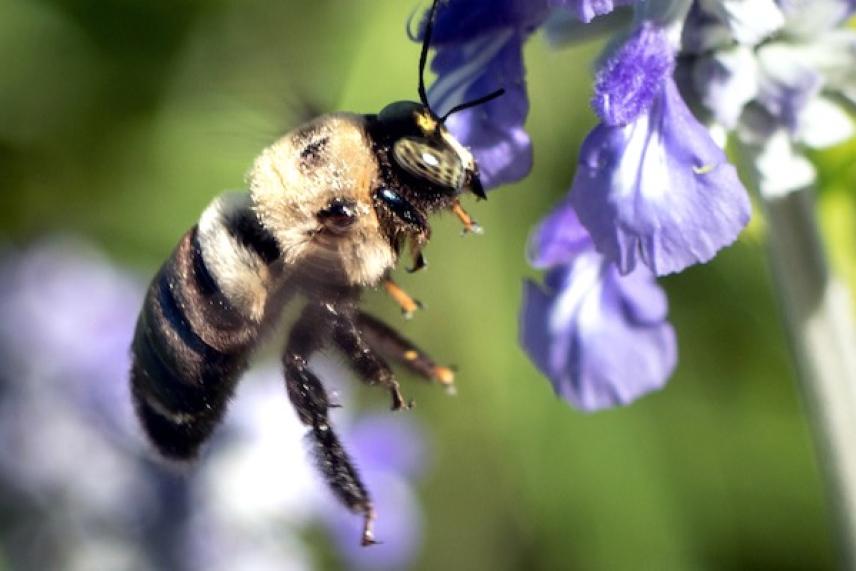
Bee friendly cities, colleges help local pollinators

Cities and colleges in North Texas collaborate with Bee City USA to aid endangered pollinators, threatened by habitat loss, pesticides, and climate change. Denton, Arlington, Grapevine, and universities like UNT are enhancing green spaces and launching educational initiatives to create bee-friendly environments.
LLELA crew dug into prairie restoration during pandemic

May 6, 2021

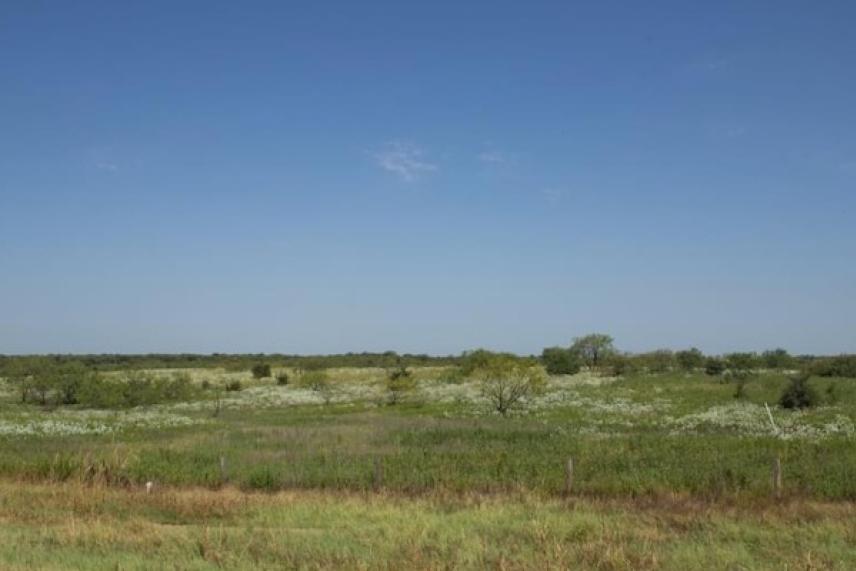
Heading west on Highway 121 into Lewisville, there is a patch of land to the right where the tollway ends. At 50 mph it comes into view for five seconds, and then it is gone. No matter, you won’t see it because it is invisible. You won’t see it because you are listening to the radio and thinking about getting home and cooking dinner while you keep five car-lengths between you and the truck in front of you. 

Native plant sales sprouting up in North Texas

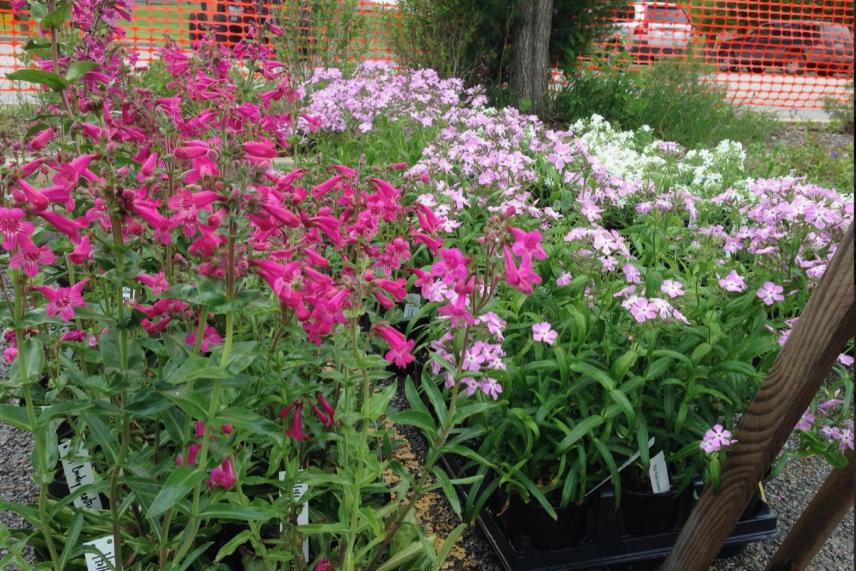
Restoring native plants in North Texas enhances ecosystems due to their drought tolerance and support for wildlife. Several garden centers and the Native Plant Society of Texas facilitate access. Native plant sales are reopening, offering diverse selections and fostering community involvement in native flora conservation.

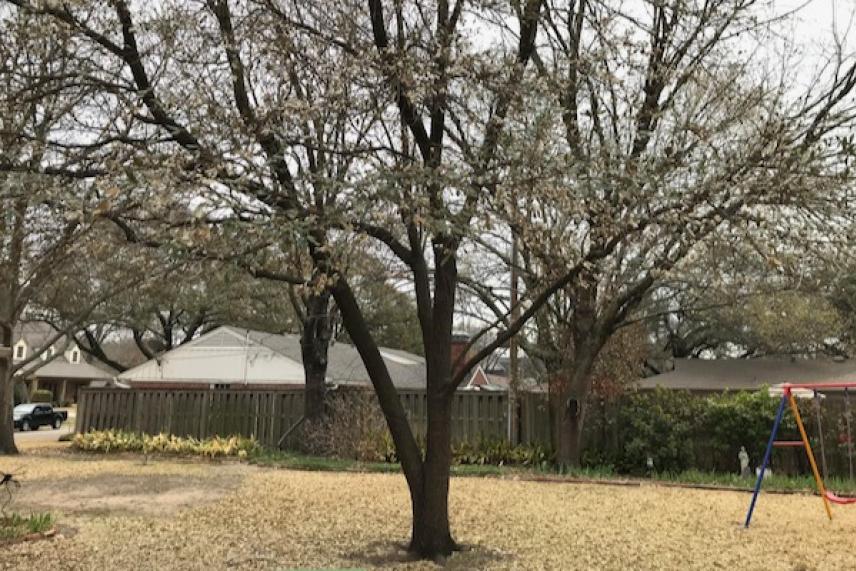
Most DFW trees spared by freeze

The deep freeze in North Texas stressed many trees, but most will recover, experts say. Live oaks' dramatic leaf loss is normal, while magnolias and sensitive non-native or young trees might suffer more. Residents should delay pruning and ensure trees are well-watered and fertilized to reduce stress.

Tulipalooza to open Friday in Waxahachie

Tulipalooza, hosted by Poston Gardens at Waxahachie Civic Center from March 19-28, offers visitors the chance to enjoy and pick from over 250,000 tulips. Proceeds benefit 12 charities, with ticket buyers choosing their preferred beneficiary. The event features food trucks, live music, and other attractions.

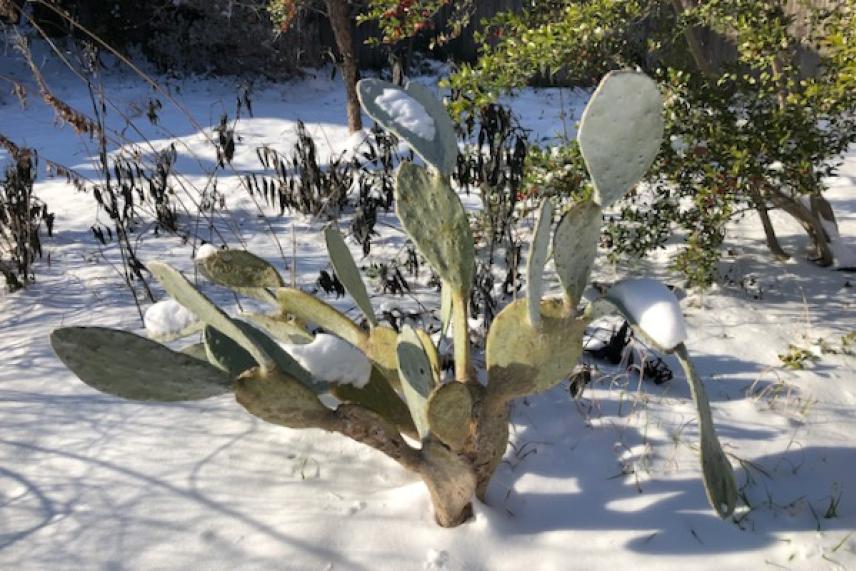
Cactus among casualties of Texas’ Big Chill

The Big Chill in Texas led to widespread damage to plants, particularly cacti and succulents. Spineless prickly pears, though hardy, may recover after some drooping or dropping paddles, while aloe vera may not survive. Agaves and sedums generally fare better. Patience and care are advised for plant recovery.

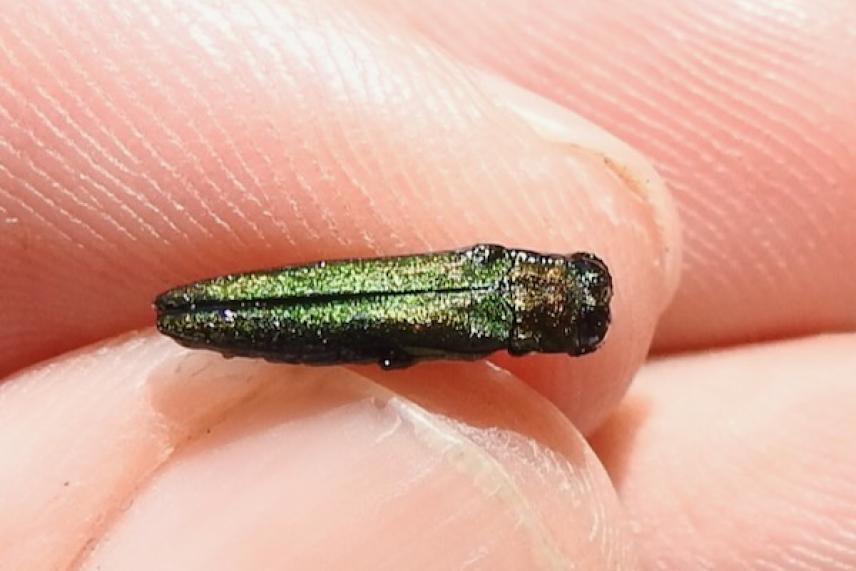
Invasive beetles could devastate North Texas trees

Emerald ash borers pose a severe threat to ash trees in North Texas, risking ecosystem collapse. These beetles have already killed millions of trees across the U.S. Experts urge swift action to slow their spread, employing methods like SLAM or introducing parasitoid wasps to manage infestations effectively.

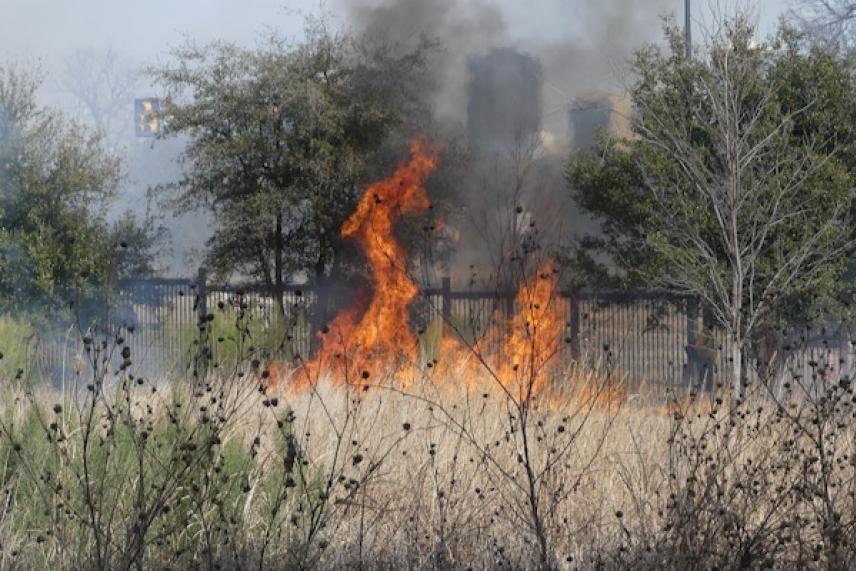
BRIT uses fire to revive its urban prairie

BRIT conducted a controlled burn on its urban prairie, utilizing fire to maintain the ecosystem's health by hindering invasive species. This fire management approach is rooted in historical practices and is meticulously planned to prevent unintended damage. The burn offers educational opportunities and promotes land management knowledge.

Prairie advocates to expand outreach in North Texas

The Native Prairies Association of Texas, a statewide conservation group, met its fundraising goal to hire a North Texas Outreach and Stewardship Director. This role will oversee local prairie stewardship and partnerships. Less than 1% of Texas's tallgrass prairies remain, and efforts aim to conserve remaining examples threatened by urban expansion.