Conservation

Fort Worth Prairie Park efforts move ahead despite setbacks

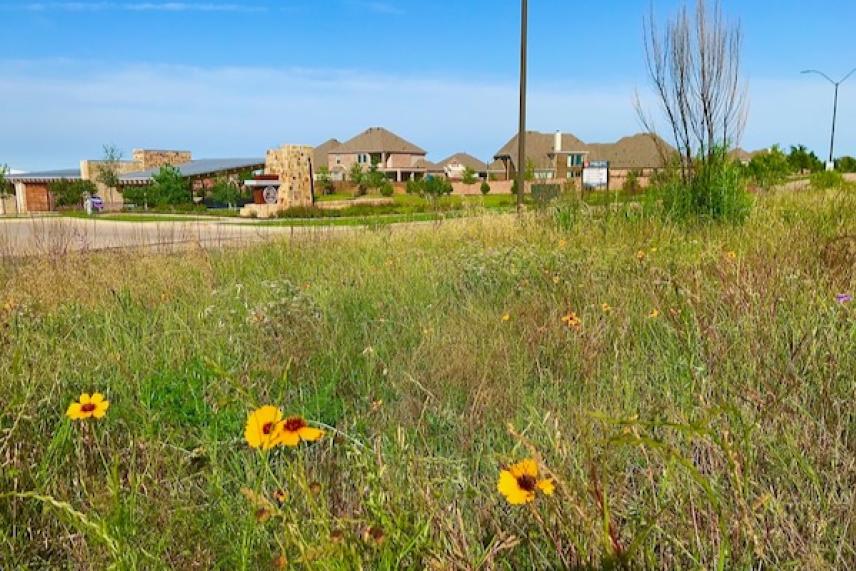
Conservationists in Fort Worth are striving to protect the city’s last native prairie amid rapid development. The Fort Worth Prairie Park effort continues despite setbacks, aiming to unite private and public lands into a contiguous reserve. Stakeholders, including the Great Plains Restoration Council, collaborate to preserve this endangered ecosystem.
Prairie advocates to expand outreach in North Texas

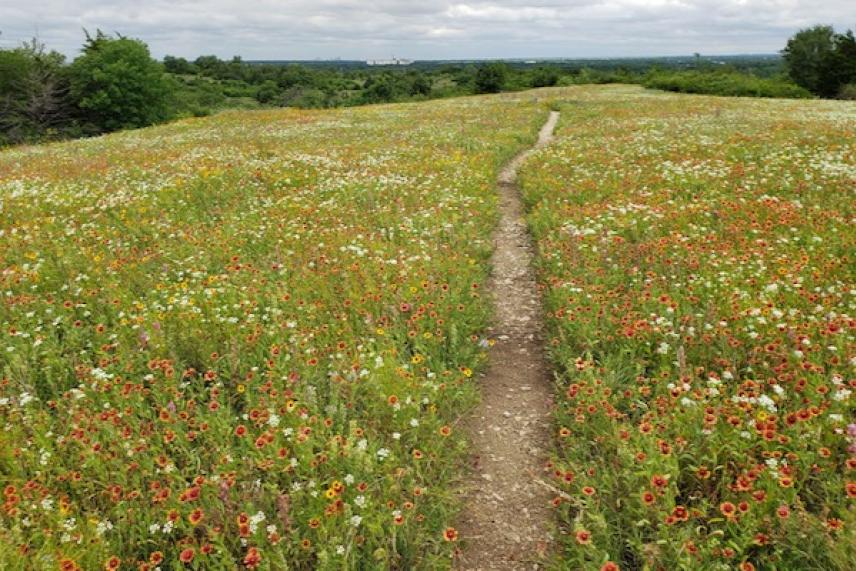
The Native Prairies Association of Texas, a statewide conservation group, met its fundraising goal to hire a North Texas Outreach and Stewardship Director. This role will oversee local prairie stewardship and partnerships. Less than 1% of Texas's tallgrass prairies remain, and efforts aim to conserve remaining examples threatened by urban expansion.

Texans bracing for megadroughts brought by climate change

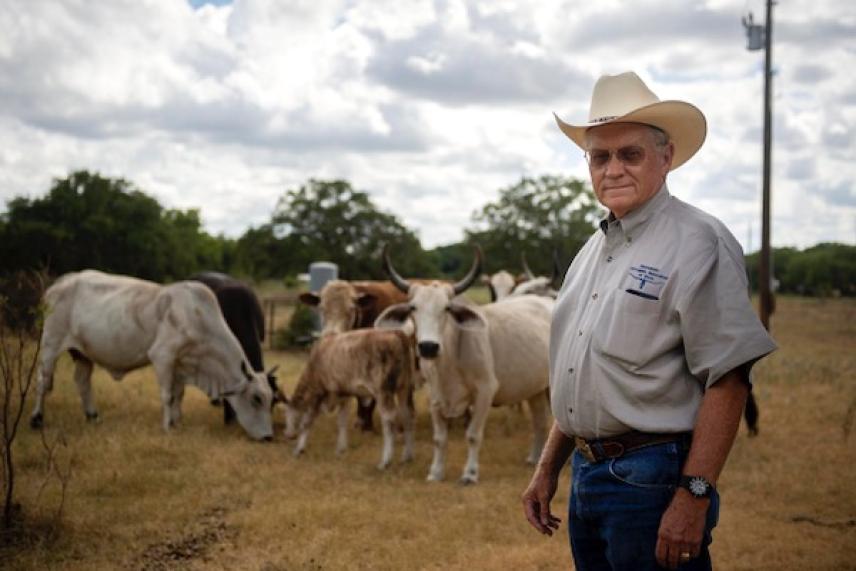
Texans face increasing droughts due to climate change, threatening water supply and agriculture. Researchers warn of the state's driest conditions in 1,000 years. Rising population exacerbates water demand, challenging ranchers like Arthur Uhl and Bill Hyman. Conservation measures are crucial, urging legislators and consumers to adopt sustainable practices.

Cottonmouths have been miscast in tall tales, says Arlington expert

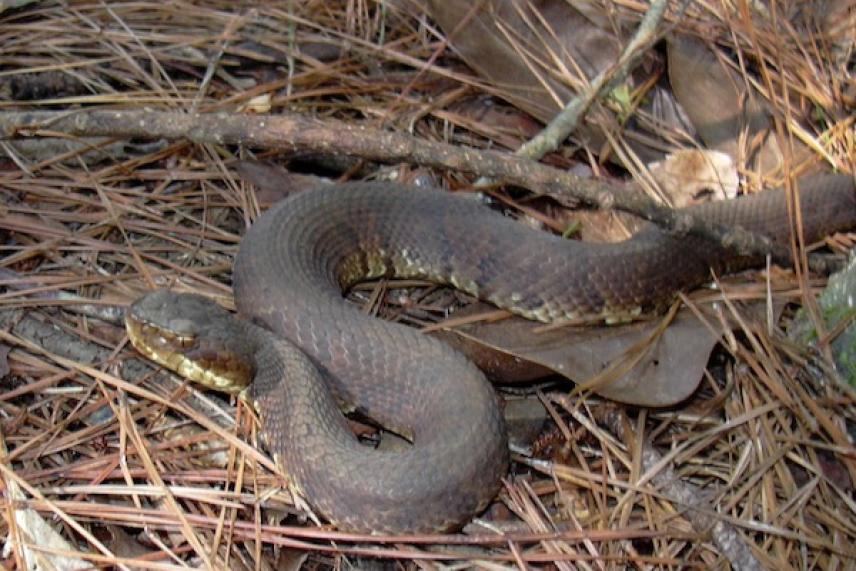
In an episode in The Lonesome Dove, a fellow falls into a river and is immediately attacked by a swarm of snakes. Many people tell a similar story, of some poor soul who falls into a “nest” of cottonmouths and dies from hundreds of venomous bites.

North Texans step-up aid for migrating monarchs

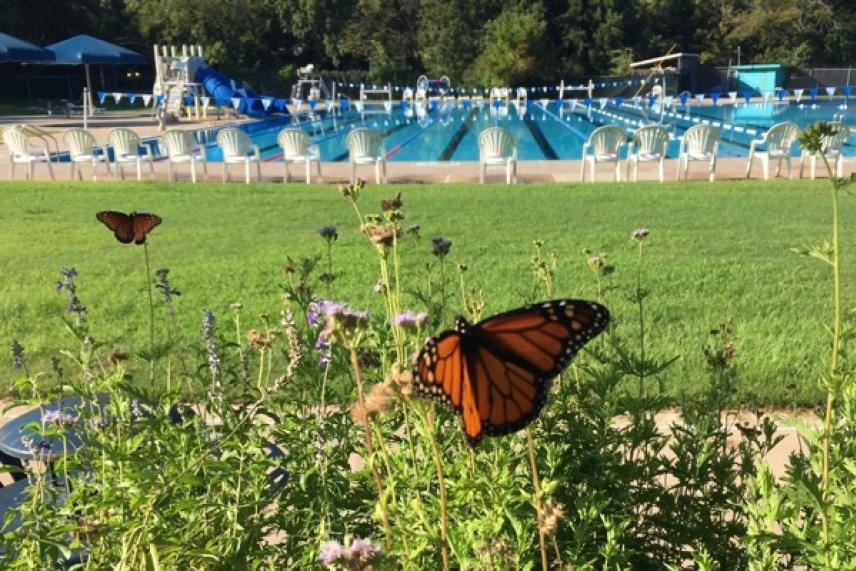
North Texans are increasing efforts to aid migrating monarch butterflies by creating waystations like those in Fort Worth and Flower Mound. Local groups and cities participate in conservation, addressing population decline due to habitat loss and herbicides. These initiatives support monarchs' survival by providing essential milkweed and nectar sources.

Texas botanists build seed bank as threats grow

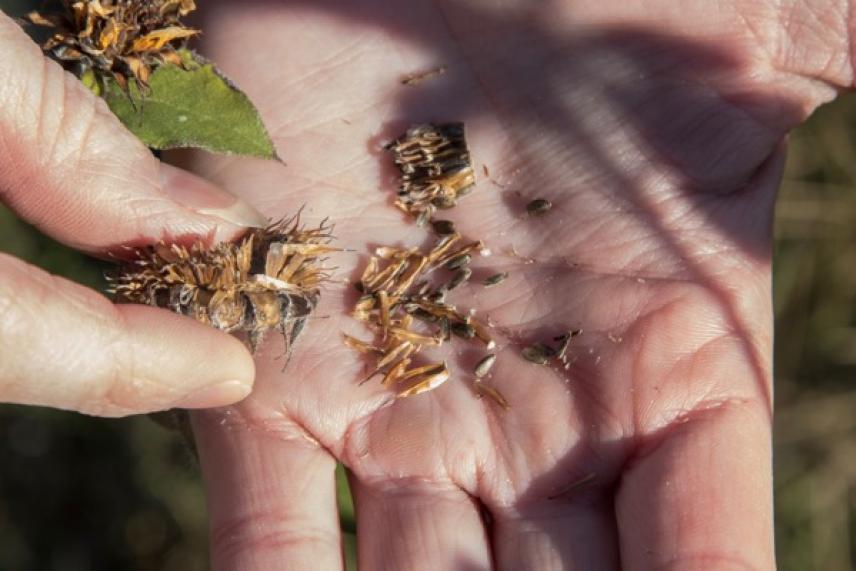
Texas botanists, led by Kim Taylor from the Botanical Research Institute of Texas, are forming a seed bank to preserve native plant species threatened by urban sprawl, invasive species, and climate change. The project is urgent, focusing on rare species to prevent their extinction and restore Texas's natural ecosystems.

Birds in steep decline since 1970s

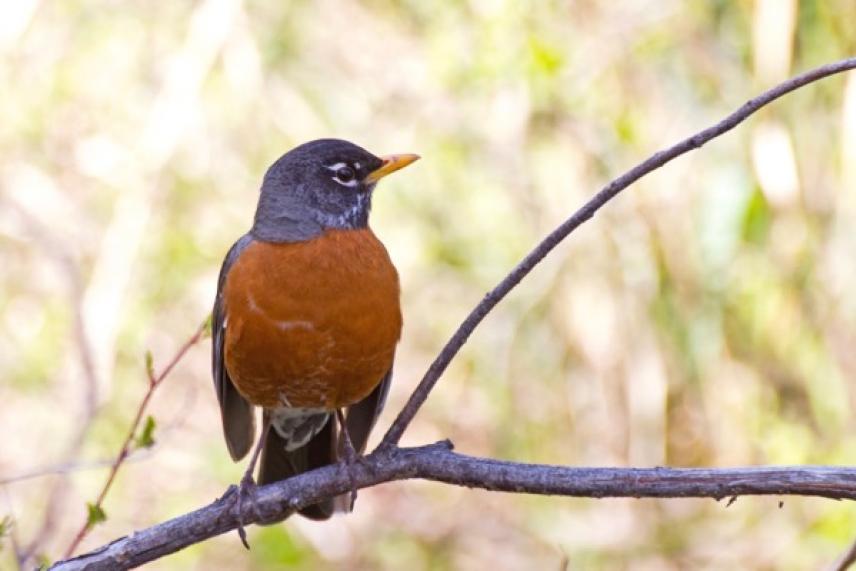
Since the 1970s, North American bird populations have decreased by 3 billion due to habitat loss and industrial agriculture, according to a study led by Ken Rosenberg. The decline affects various species, except waterfowl, but conservation efforts could reverse this trend, emphasizing individual and large-scale actions.

New Allen STEAM center promotes environmental ed

Allen ISD's new STEAM Center, designed by VLK Architects, integrates arts into STEM education with indoor-outdoor learning spaces, sustainable design, and innovative facilities, promoting environmental education. It addresses a national STEM skills gap and offers diverse classes and real-world experiences, including ecological zones and a living laboratory pond.

Conservatory quietly reopens at Fort Worth Botanic Garden

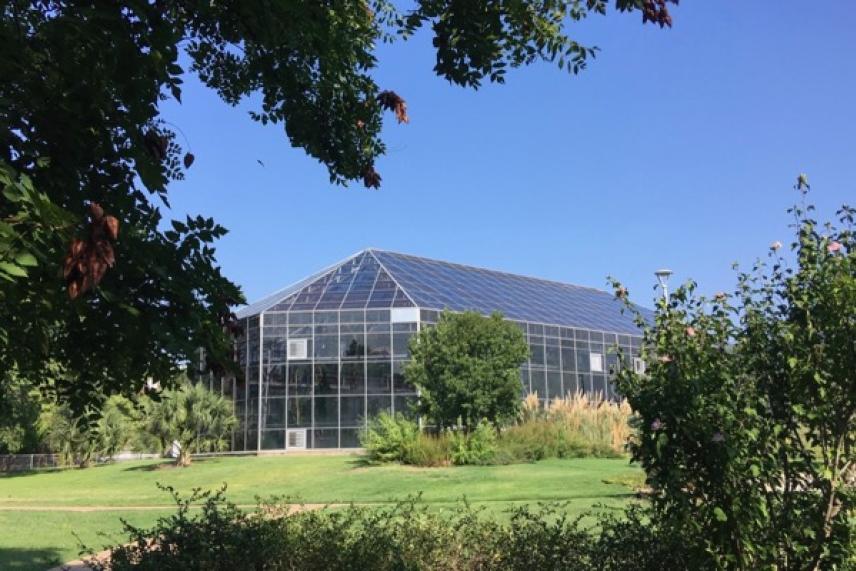
The Fort Worth Botanic Garden’s 10,000-square-foot Rainforest Conservatory has quietly reopened after being closed since 2016 due to maintenance and safety issues. Repairs included glass replacements and mechanical overhauls. A grand opening is planned for early 2020, supported by varied funding sources amid ongoing renovation needs.

Plant 'museum' thriving in Fort Worth Cultural District

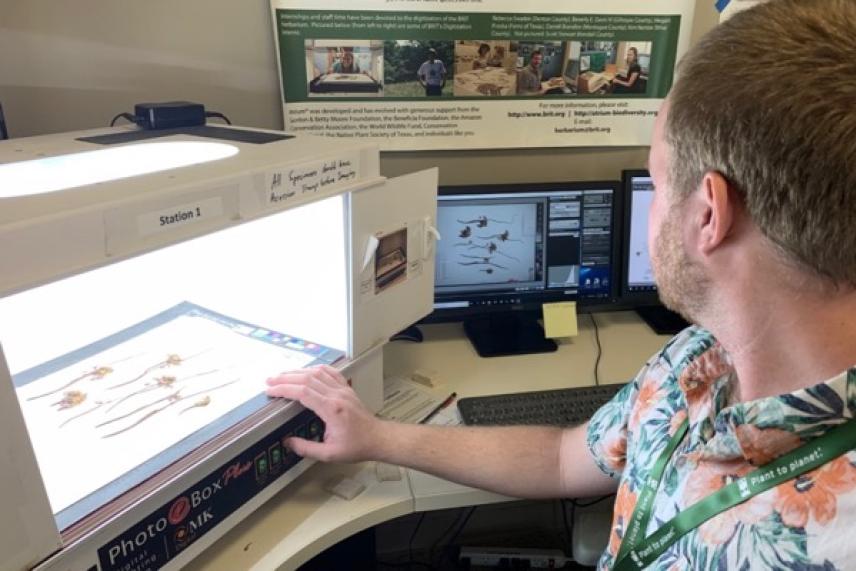
Joe Lippert captures digital images of plant specimens at the Botanical Research Institute of Texas with state-of-the-art Canon cameras. Photos courtesy of BRIT.

Aug. 21, 2019

Fort Worth’s art museums are legendary but did you know the city’s Cultural District is also home to a world class plant collection?