Nature

Parks, wildlife

Darker skies help migrating birds find their way

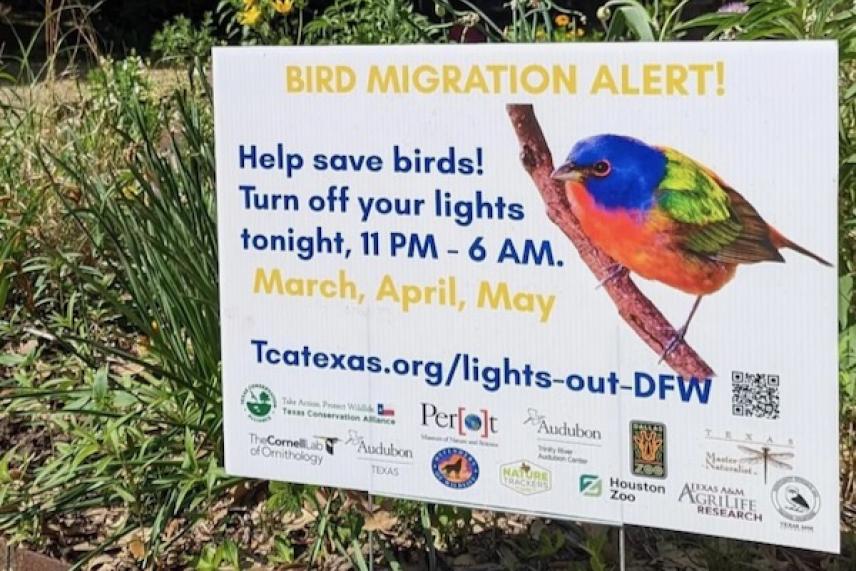
The Lights Out Texas campaign asks Texans to turn off outdoor lights from 11 p.m. to 6 a.m. starting March 1 to aid migrating birds. Texas is a critical route for migratory birds, and light pollution in cities like Houston and Dallas disorients them, leading to exhaustion and fatal collisions.
Landmark trees celebrated at six Texas sites

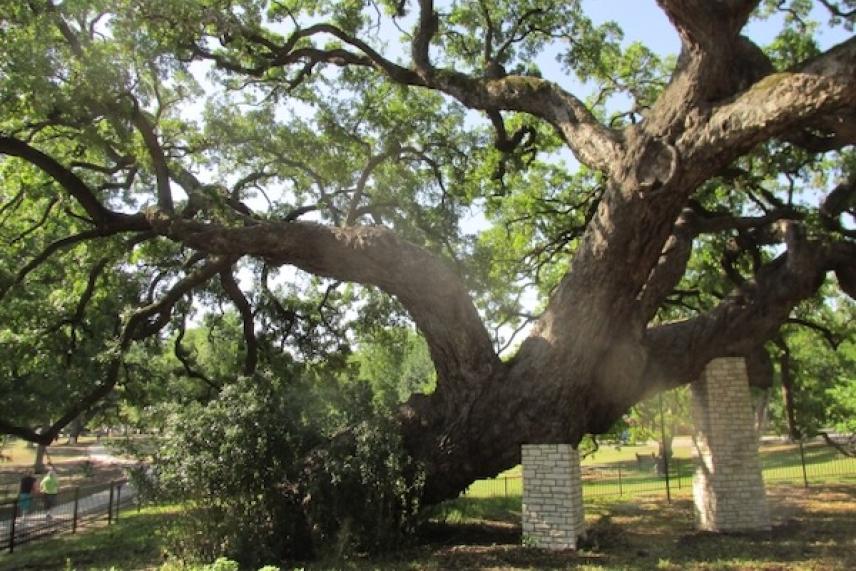
The Texas Historic Tree Coalition held six tree dedication ceremonies this year, celebrating landmark trees like the Fort Parker Pecan, West Dallas Gateway Pecan, Comanche Creek Live Oak Grove, Singing Trees, and Comanche Council Live Oak. These ceremonies resumed after delays due to the pandemic and other challenges.

Cedar Hill puts out welcome mat for birds

Cedar Hill and Austin, near Dallas, Texas, were recently named Bird City Texas designees by Audubon Texas and Texas Parks and Wildlife. This certification recognizes cities for bird-friendly initiatives, including habitat protection and community engagement to support both bird and human communities.

Monarch grants help fund butterfly way stations in Texas

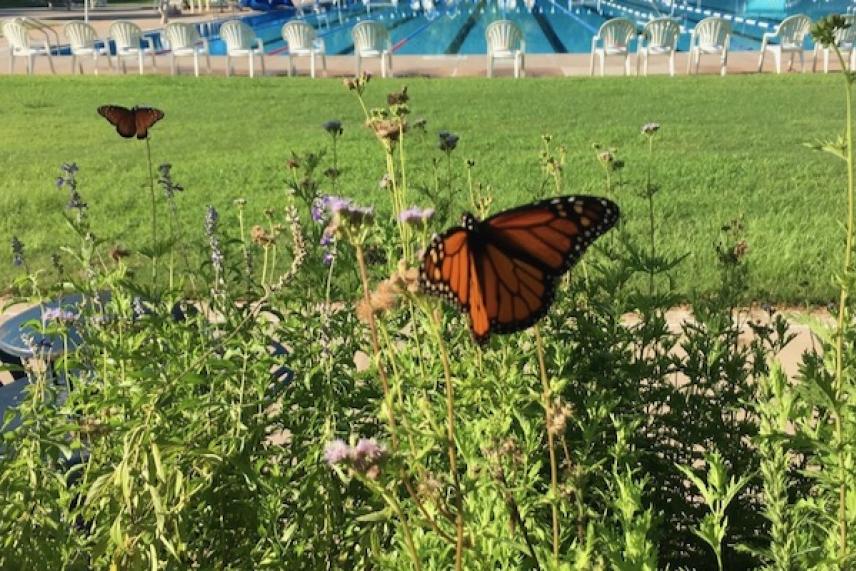
The "Bring Back the Monarchs to Texas" grant program offers funding for monarch demonstration gardens and waystations using native plants on public sites. Overseen by the Native Plant Society of Texas, applications are due Feb. 1. Grants, up to $600, promote monarch conservation and education, focusing on native milkweeds and nectar plants.

Leave the leaves! They're good for your yard and wildlife

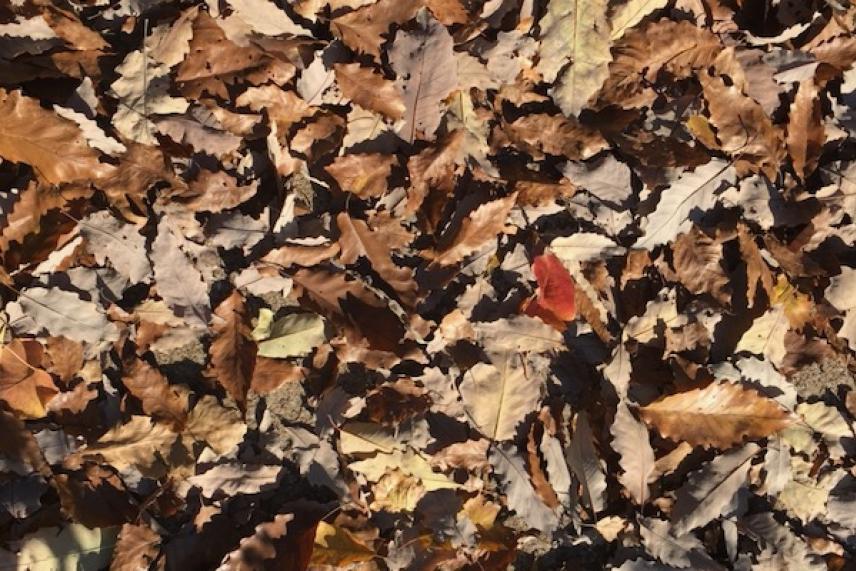
Organic gardening and wildlife experts, like Howard Garrett and Texas A&M horticulturists, advise against bagging leaves, emphasizing benefits for landscapes and wildlife. Leaves enrich soil, reduce runoff, and save costs. They recommend mowing, mulching, and composting. Wildlife relies on leaf litter for habitat, and leaving leaves supports diverse ecosystems.

Texas prairie advocates gather to share conservation tactics

Texas loses 250 rural acres daily to urban development, fragmenting habitats and endangering species. At the People for Prairies conference, advocates shared conservation tactics, raising $27,000 for outreach. Cities like Fort Worth and Lewisville are integrating prairies into urban plans. Corporate and private landowners play crucial roles in prairie conservation.

Pocket prairies patch together native Texas landscape

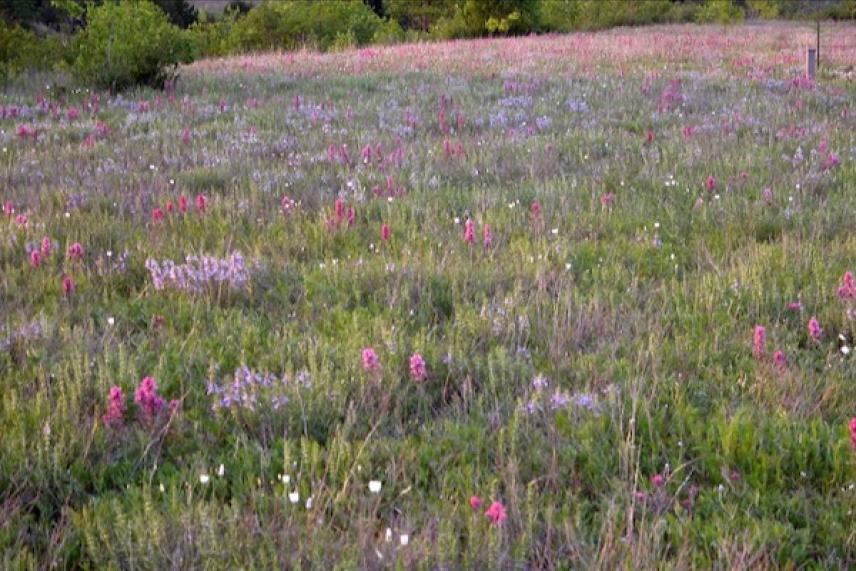
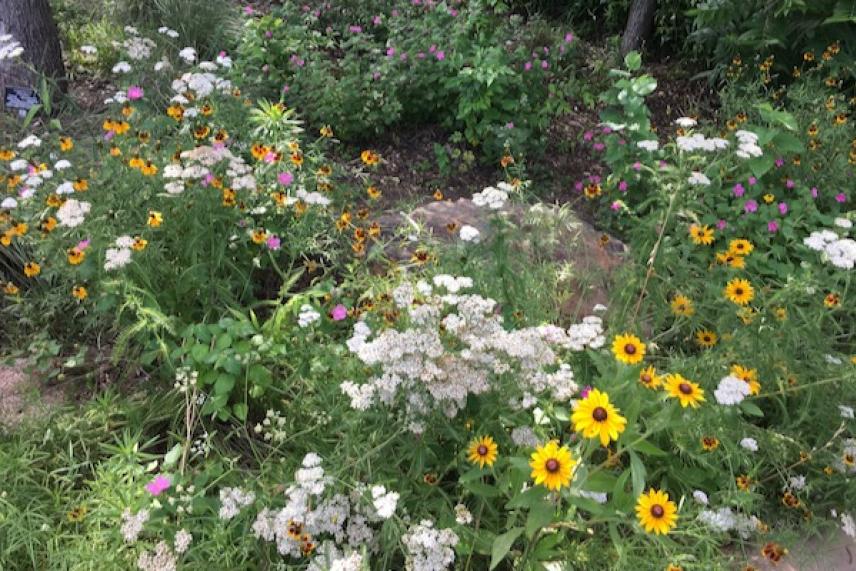
Marshall Hinsley discusses pocket prairies, small plots planted with native Texas flora, as part of a statewide restoration effort. These prairies support native wildlife, sequester carbon, mitigate flooding, and require minimal maintenance, offering a sustainable way to restore Texas's native ecosystem.

Bats keep Austin weird but they're not the monsters of myth

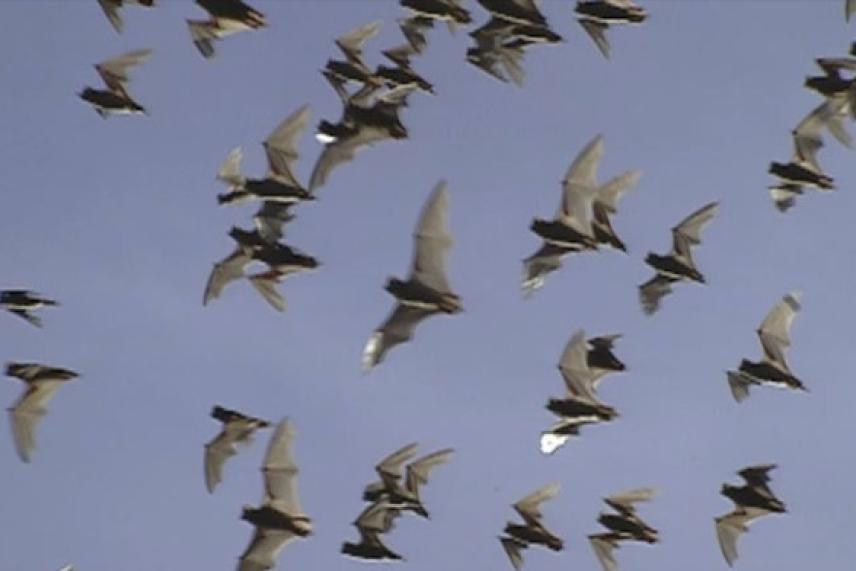
Bats are often linked to mythical monsters like Dracula, yet they offer significant ecological benefits. While vampire bats exist, they mainly reside in Central and South America. In North Texas, several beneficial bat species, such as the Mexican free-tailed bat, play crucial roles in pest control and ecosystems.

Name chosen for trail connecting Dallas and Fort Worth

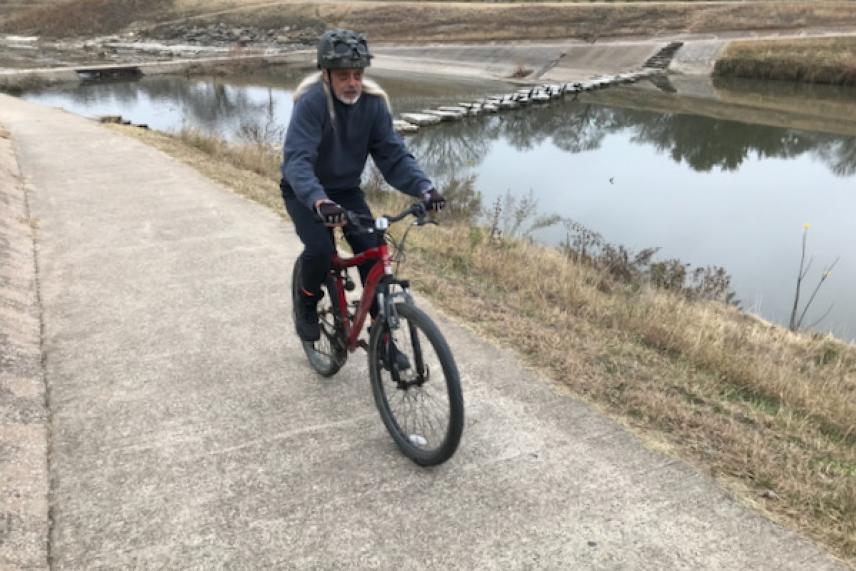
The regional hiking and biking trail connecting Dallas and Fort Worth is named DFW Discovery Trail. Nearly 1,700 voted for the name and logo featuring Texas wildlife. Expected by 2024, the 60-mile trail links city trails and is part of the 1,883-mile Regional Veloweb network.

Fort Worth enlists accelerator to step up park equity

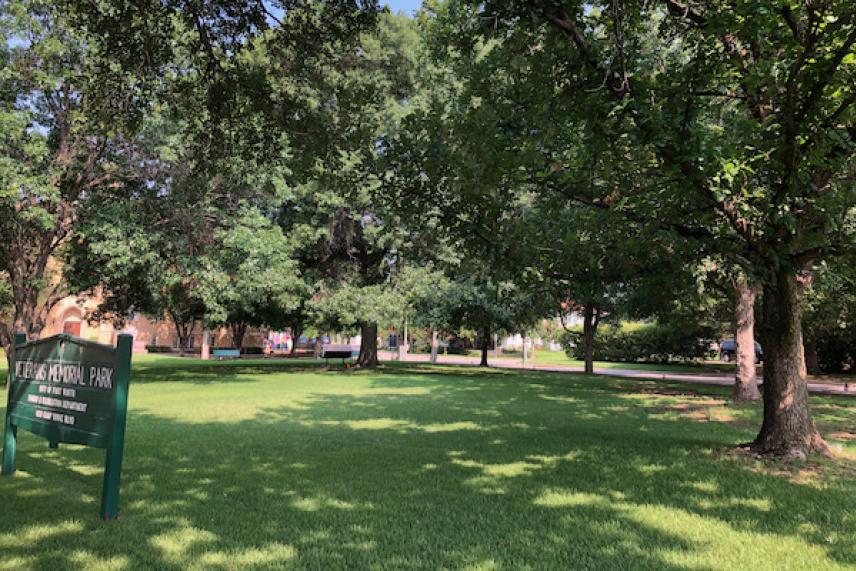
Fort Worth joined the Trust for Public Land's 10-Minute Walk Park Equity Accelerator to improve park access, leveraging funding and expertise to overcome outdoor equity barriers. With only 61% of residents living within a 10-minute walk of a park, this initiative aims to enhance health, climate, and community benefits citywide.