
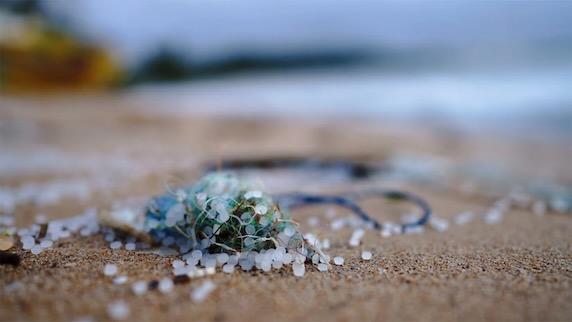
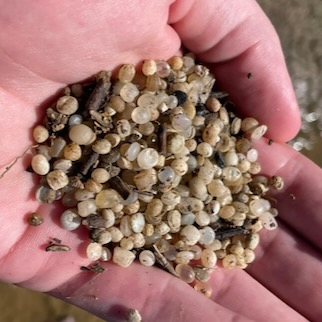
Nurdles on the beach. Photo courtesy of Environment Texas.
While South by Southwest drew hundreds of bands to Austin in March in hopes of becoming the next big thing, 13 of Texas's most recognizable names in music had a different agenda. Rather than seeking the spotlight for themselves, they were drawing attention to “nurdles” — tiny plastic pellets creating a pollution crisis on the Texas coast.
Environment Texas used the annual event to launch Texas Musicians Against Plastic Pollution. The ad campaign enlists artists from across generations and genres to push state regulators to crack down on plastic pellet pollution in Texas waterways.
“The issue of plastic pellet pollution is huge in Texas, but it’s one not a lot of people are super familiar with — especially those who live further from the coast,” said Hailey McHorse, Clean Air and Water Associate at Environment Texas. “But because plastic gets in the water down there, it gets in their seafood, it gets into our wildlife. It affects everyone downstream.”
This awareness campaign kicks off just as the stakes are particularly high: the Texas Commission on Environmental Quality (TCEQ) is currently updating its Surface Water Quality Standards — the rules that govern what companies can legally discharge into state waterways.
TCEQ updates its Surface Water Quality Standards every five years, and the current version allows plastics companies to discharge trace amounts of plastic pellets — the small, lentil-sized resin beads known as “nurdles” that are the building blocks of virtually all plastic products. Environment Texas wants the law changed to a zero-discharge standard.
WHY MUSICIANS?
The decision to recruit musicians wasn’t just about cultural cachet. It was a strategic political calculation. Last month, Texas Gov. Greg Abbott announced he had received endorsements from hundreds of Texas live music venues, a signal that the music industry carries influence with the state’s top executive.
“We figured musicians are a constituency that would hold some weight with him,” McHorse said.
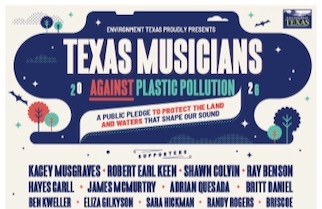
The 13 artists in the coalition span multiple genres and generations: Kacey Musgraves, Robert Earl Keen, Shawn Colvin, Ray Benson, Hayes Carll, James McMurtry, Adrian Quesada (Black Pumas), Britt Daniel (Spoon), Ben Kweller, Eliza Gilkyson, Sara Hickman, Randy Rogers and Briscoe. Their mission is straightforward: urge Texas state leaders to take plastic pellet pollution seriously, support a zero-discharge standard, and respond to the growing public concern over microplastics that has intensified since 2022.
McHose said these musicians will use their social media accounts to amplify ongoing cases, including a high-profile legal fight at a Dow Chemical plant on the Gulf Coast, as the campaign evolves.
THE GROUND ZERO: SEADRIFT
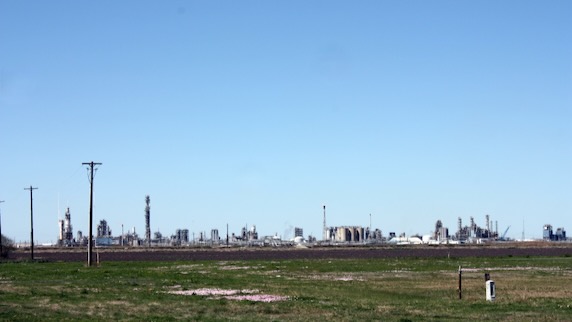
Nowhere is the plastic pellet problem more visible than in Seadrift, a small coastal community in Calhoun County, where a sprawling Dow Chemical and Union Carbide manufacturing complex sits directly across from the Aransas National Wildlife Refuge.
For decades, the plant has been spilling plastic pellets into its wastewater and, ultimately, into the surrounding waters. It took retired shrimper and lifelong activist Diane Wilson to document it.
In December 2025, Wilson filed a notice of intent to sue Dow under the Clean Water Act on behalf of a local citizen group. Then, on day 58 of the required 60-day waiting period — just before the citizen suit could be filed — the state of Texas intervened. In February 2026, Texas Attorney General Ken Paxton’s office filed its own lawsuit against Dow for the same violations. Crucially, that action — at least temporarily — blocks citizen action from moving forward.
Wilson was blunt in her assessment. She called the state’s lawsuit “a sweetheart deal with industry,” arguing that a state-negotiated settlement could shield Dow from the harsher penalties and remediation requirements that a successful citizen suit under the Clean Water Act might impose.
McHorse said Environment Texas views the state’s involvement cautiously. While it’s a positive sign that Texas is taking the issue seriously enough to file suit, there’s a real concern that the outcome could be weaker than what a citizen-driven legal process would have produced. The situation at Seadrift has taken on added urgency because Dow has filed a permit amendment application with the TCEQ — one that, if approved, could formally allow the plant to discharge plastic pellets at even higher levels than now allowed.
TEXAS AT THE CENTER OF A GLOBAL INDUSTRY
The stakes in Texas extend far beyond any single plant or community. Texas is already the largest producer and exporter of plastic pellets in the United States. Roughly 60 percent of the resins produced in the country, including plastic pellets, pass through the Port of Houston alone. Plastic manufacturing has become deeply entrenched in the Texas Gulf Coast economy, driven in part by state tax incentives for petrochemical facilities.
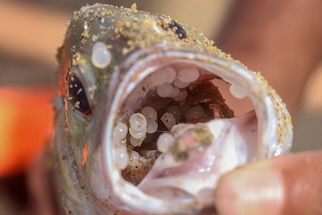
With global plastic production projected to triple by 2060, the volume of pellets moving through Texas ports and facilities is only expected to grow — and with it, the risk of spills. Nurdles are notoriously difficult to clean up once they enter a waterway. They float, they accumulate and they absorb other chemical pollutants. Marine animals and birds mistake them for fish eggs. Once in the food chain, these plastics can end up on dinner plates.
The environmental consequences are already playing out along the Texas coast. McHorse pointed to the impact on oyster populations and seafood safety in the Corpus Christi area as a concrete example of the downstream effects. Coastal communities that depend on fishing and tourism bear a disproportionate share of the industry’s environmental costs. The Sierra Club of Texas has also raised alarms about plastic pellet pollution in state waterways, calling for stronger water protection standards.
A REGULATORY WINDOW — AND A CALL TO ACT
The TCEQ’s current standards revision is the rare kind of opening that environmental advocates spend years waiting for. Rather than fighting bill by bill in the legislature, Environment Texas is betting that a well-organized public comment campaign — amplified by recognizable voices from the Texas music world — can move a regulatory agency.
For the musicians now lending their names and platforms to the campaign, the ask is the same one being made of every Texan who cares about clean water: submit a comment here. Make your voice heard before the window closes.