
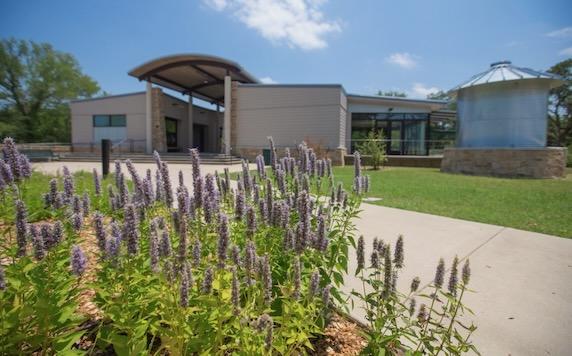
The Gary Halter Nature Center opened in 2017. In 2022, it was renamed for the former mayor who spearheaded the establishment of the city park. Courtesy of College Station Visitor's Center.
Whether you live in College Station or are just passing through, consider taking a nature break at Lick Creek Park. The 523-acre city park is located in the Post Oak Savannah area, on the south side of College Station at 13600 Rock Prairie Road. The park was established in the 1980s and has an interesting history.
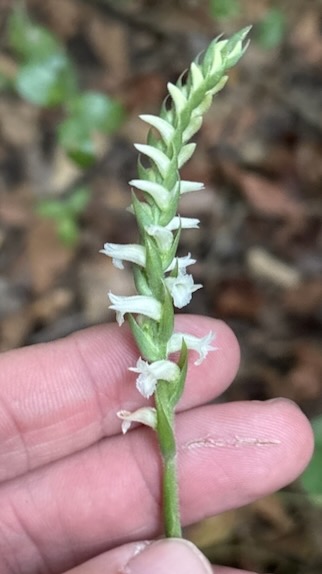
The park was purchased by the city in 1981 and slated for development, until an environmental impact study revealed the presence of the Navasota or Nodding Ladies Tresses, an endangered orchid, according to Dr. John Crompton. After the proposed project was halted, some residents took to using the land as an informal nature park. One day, College Station Mayor Gary Halter was walking his dog on the property when he was stopped by police who didn’t recognize him and ordered him to leave due to trespassing. That motivated him to launch a campaign to make the area available to all residents as an official city park.
GARY HALTER NATURE CENTER
Today, the focal point of the park is the Gary Halter Nature Center, named after the former mayor who spearheaded the park's creation. The 2,400-square-foot facility opened in 2017 and is used for conservation education programming and events. It has a meeting room, outdoor classroom, amphitheater, native plant displays and a monarch butterfly garden.
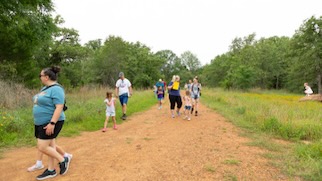
Surrounding the facility, visitors can enjoy five miles of walking trails on the grounds, which are mostly flat, which makes for easy walking. The Oak Savannah habitat is home to numerous species of native plants and wildlife, one being the endangered Navasota or Nodding Ladies’ Tresses.
Currently, 2,800 species of wildlife have been observed and recorded on the Lick Creek Park Biota Project on iNaturalist.
In the late 1800s, Lick Creek Park was largely treeless, used for sheep and cattle grazing. Today, it serves as an example of how nature recovers over time when given an opportunity.
Prescribed burns and planting native flora have contributed to Lick Creek Park’s rich biodiversity.
The park serves as a watershed for surrounding communities, dividing water into different river basins with profound future consequences. Sadly, necessary waterlines throughout the park to reach surrounding neighborhoods negatively affect the watershed.
CONSERVATION
In 2022, the city created a conservation advisory group to work on conservation designations for Lick Creek Park and other parks in the College Station System. The group brings together conservations/nature-based organizations, naturalists, borders, native plant enthusiasts, field experts, professionals and community volunteers to improve the park system.
One goal of the board is to improve habitats for the rare/endangered wildlife, such as the aforementioned Navasota Ladies Tresses, timber rattlesnakes, trim-color bats, swainson’s warblers, kentucky warblers, monarch butterflies, and fireflies.
The park works with local wildlife experts and professors from many universities, including Texas A&M, wherein, dozens of professional conservation research projects are conducted annually.
OTHER HIGHLIGHTS
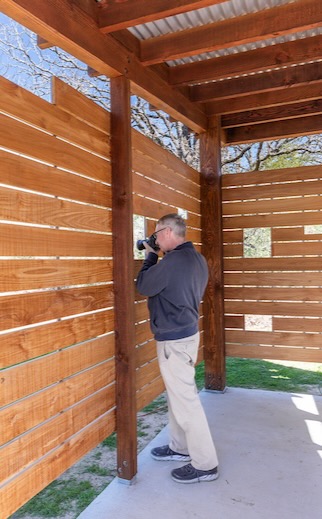
Other features of the park include two bird blinds, which opened in 2024. The Fox Trot Bird Blind is ADA accessible, with a paved path connecting directly to the parking lot.
The newest trail, Butterfly Alley, was completed in 2025, and features educational displays about the Monarch butterfly’s life cycle and conservation efforts.
Further bird-friendly efforts are on the way. Window coverings will be installed on the large exterior windows of the office and meeting room to prevent bird strikes.
There are also biking and equestrian trails and one off-leash trail for dogs, Raccoon Run Trail. See guidelines.
VOLUNTEERISM AND GIVEAWAYS
Volunteer opportunities are also available. As many as 4,000 volunteers annually contribute their time and talent. More than 12 internships are offered each year in horticulture, land management and conservation.
In addition, Lick Creek Park offers nature-related freebies to the public. Residents can pick up free native seeds, harvested from a one-acre seed bank. The seeds are planted, maintained, harvested, cleaned and packaged by Lick Creek Park staff, interns and community volunteers. Numerous demonstration gardens featuring birds, pollinators, tallgrass prairies, and wetland plants are also available.
ECO-FRIENDLY FEATURES
Eco-friendly features are seen throughout Lick Creek Park. A water cistern to irrigate native plant gardens is under development. Waste is reduced by avoiding single-use plastics and stressing reuse, even down to the nature center signs. And water fountains with bottle-refill stations exist throughout the park.
“We will continue to enhance our graphics, gardens, programs, events and community engagement through education and volunteerism, but no significant infrastructure changes are currently scheduled,” says recreation supervisor Laurie Brown. “We plan to re-sign the Mayor’s Monarch Pledge as well as continue our Tree City College Station’s ‘Cooling College Station’ program conservation efforts [Green Source Texas story to come]. Check out the Conservation Advisory Group partners and learn more about what you can do.”
RESOURCES