North Texas

Dallas now requires public hearings for batch plant applications

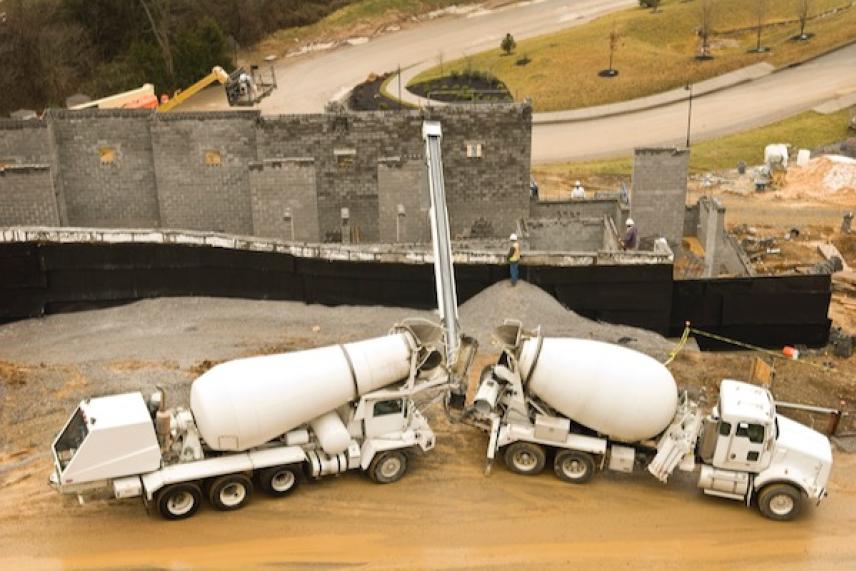
Dallas City Council approved regulations requiring public hearings for concrete and asphalt batch plants via a Specific Use Permit. Applauded by environmentalists, the change addresses equity and pollution concerns and gives communities a voice in plant siting. A second phase considers buffer zones to limit impacts on sensitive areas.

Fort Worth to create urban forestry master plan

Fort Worth partners with the Texas Trees Foundation to develop its first Urban Forestry Master Plan. This initiative, supported by a $250,000 funding, aims to sustain and enhance urban forestry, engage stakeholders, and address tree conservation. The plan follows Fort Worth's historic green milestones and addresses illegal tree cutting concerns.

Protestors call out Fort Worth gas driller's Russian ties

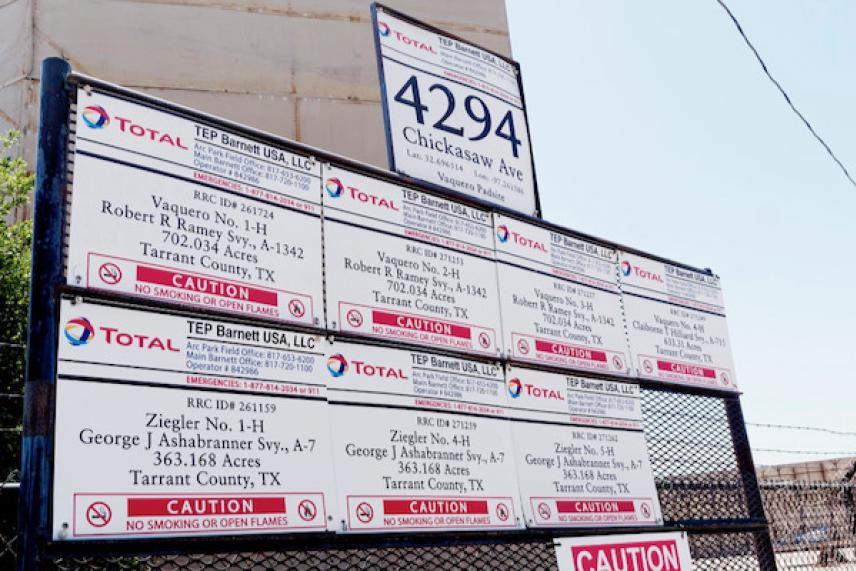
Protestors in Fort Worth gathered against TotalEnergies' Russian ties, criticizing their investments supporting Russia’s regime amidst its military aggression in Ukraine. TotalEnergies announced a halt to Russian oil purchases but remains tied to Novatek. Environmental and social groups back the protest, demanding divestment and alternative energy transition.

Dallas designer paints picture of coral crisis

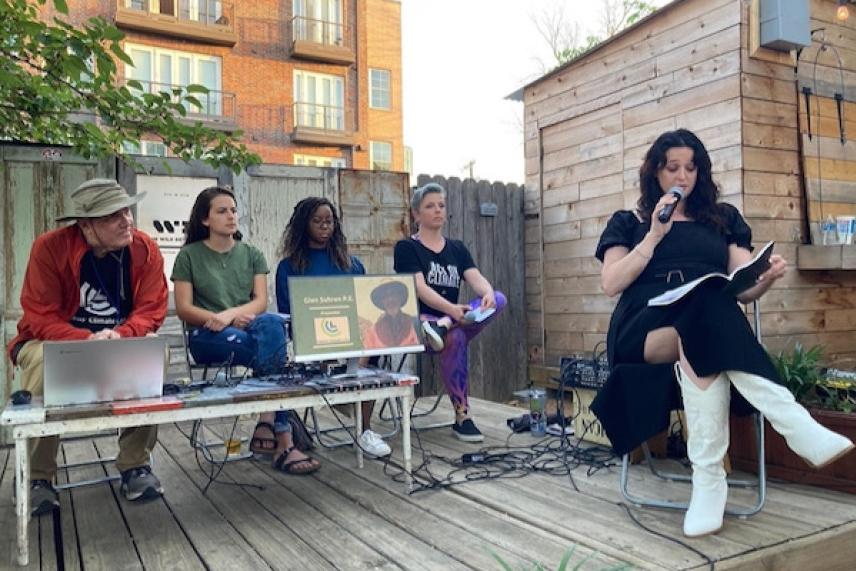
Dallas designer Breanna Cooke merges her skills in body paint and costume design with environmental activism, focusing on the coral reef crisis. Through her "artivism," she creates vibrant designs to initiate climate discussions and partners with the Glowing Glowing Gone campaign, producing sustainable activewear to promote ocean protection.

Farmers Branch to be powered by solar farm

Farmers Branch is set to meet its municipal electric demand via a solar farm on a former landfill. B.Q. Energy will construct the 20-acre site generating 13.6 million kWh annually, enough to power city facilities and 1,100 homes, utilizing advanced polycrystalline panels.

Volunteers plant 300 trees in Dallas parks

Dallas volunteers planted 300 trees in six parks as part of the Branching Out program to enhance the city's tree canopy, addressing damage from past storms. The initiative supports Dallas's goal to increase urban forest coverage from 32% to 37% under its climate action and urban forest plans.

The four most common lizards in North Texas

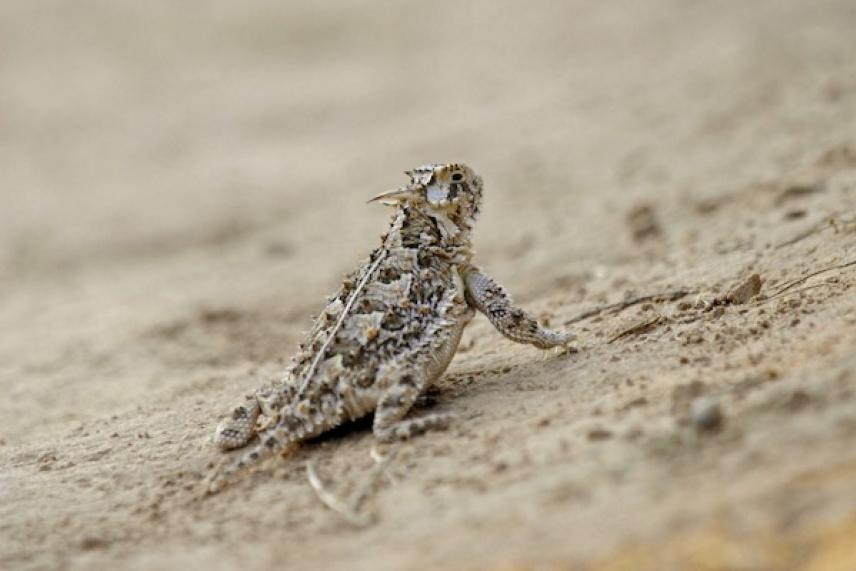
The text discusses four common lizards in North Texas: the Texas spiny lizard, green anoles, little brown skinks, and Mediterranean geckos. These lizards exhibit unique behaviors and adaptations, contribute to insect control, and thrive in backyards without harming humans. Avoiding harm, such as tail injury, is advised.