Nature and Wildlife

Fort Worth to mow down 'acres' of privet at Tandy Hills

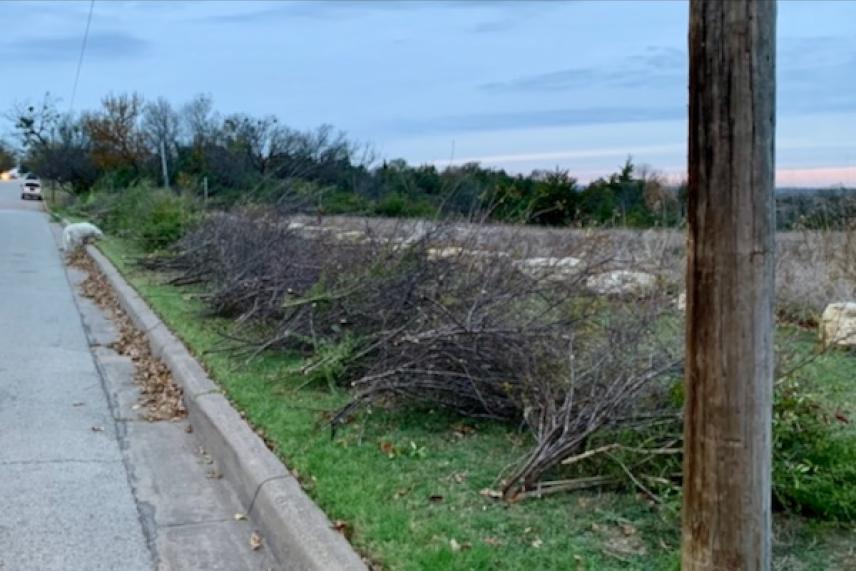
Fort Worth will remove up to 50 acres of invasive privet from Tandy Hills Natural Area to protect its 1,800 native species, using heavy equipment initially and targeted herbicide later. This project, supported by a $150,000 grant, aims for significant ecological recovery despite being an ongoing challenge.
Colleyville residents rally to save scrap of native forest

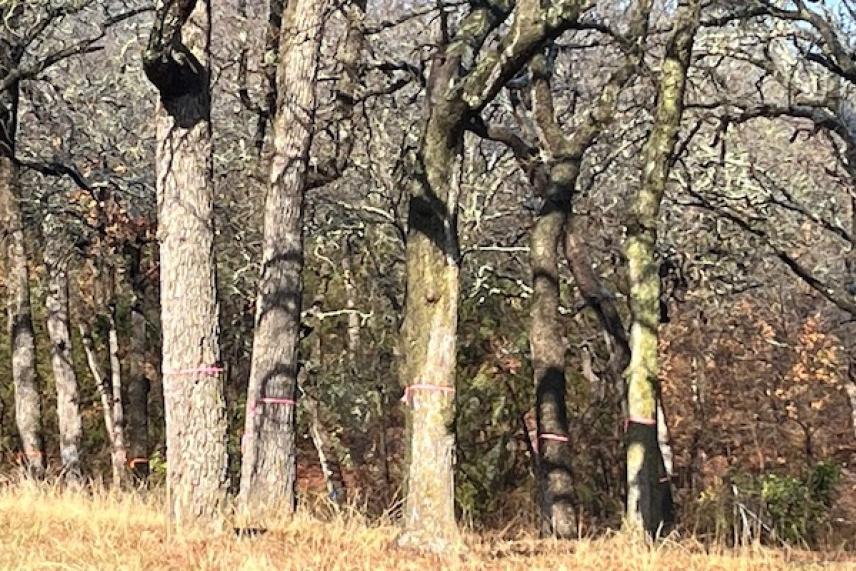
Colleyville residents, led by Tim Waterworth, are opposing a Southlake developer's plan to clear 14 acres of native Cross Timbers forest for luxury homes. This historic forest, crucial for its environmental benefits and heritage, faces development despite community efforts, including opposition letters and council hearings.

Texas state park could be lost to development due to land sale

Fairfield Lake State Park, a 1,800-acre site in Freestone County, is at risk of closure due to the land’s sale to developers. Efforts by Texas legislators and environmental groups aim to preserve the park, emphasizing its ecological significance and highlighting its history of public recreational use.

Monarch grants help fund butterfly way stations in Texas

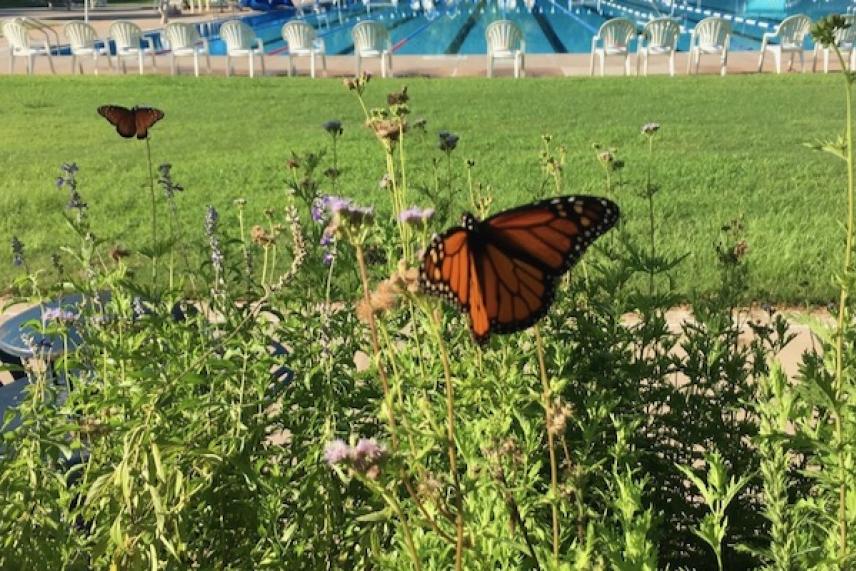
The "Bring Back the Monarchs to Texas" grant program offers funding for monarch demonstration gardens and waystations using native plants on public sites. Overseen by the Native Plant Society of Texas, applications are due Feb. 1. Grants, up to $600, promote monarch conservation and education, focusing on native milkweeds and nectar plants.

Journaling can deepen experiences in nature

Carrying a nature journal aids detailed observation and reflection, enhancing memories and mindfulness. Writing and drawing in nature help us engage deeply, refine vocabulary, and inspire self-reflection. Overcoming hurdles such as time constraints and lack of skill can enrich our experiences, making nature journaling a rewarding endeavor.

New urban greenbelt to improve park equity in South Dallas

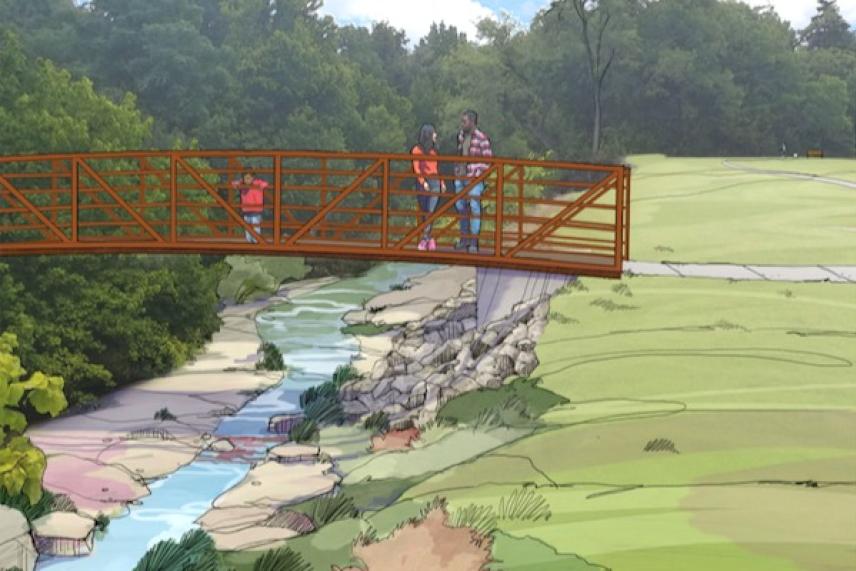
The Trust for Public Land envisions a park within a 10-minute walk of every Dallas home, with a focus on South Oak Cliff. The Five Mile Creek Urban Greenbelt aims to connect trails and parks, backed by significant funding, benefiting the community's environment, health, and equity.

Texas prairie advocates gather to share conservation tactics

Texas loses 250 rural acres daily to urban development, fragmenting habitats and endangering species. At the People for Prairies conference, advocates shared conservation tactics, raising $27,000 for outreach. Cities like Fort Worth and Lewisville are integrating prairies into urban plans. Corporate and private landowners play crucial roles in prairie conservation.

Pocket prairies patch together native Texas landscape

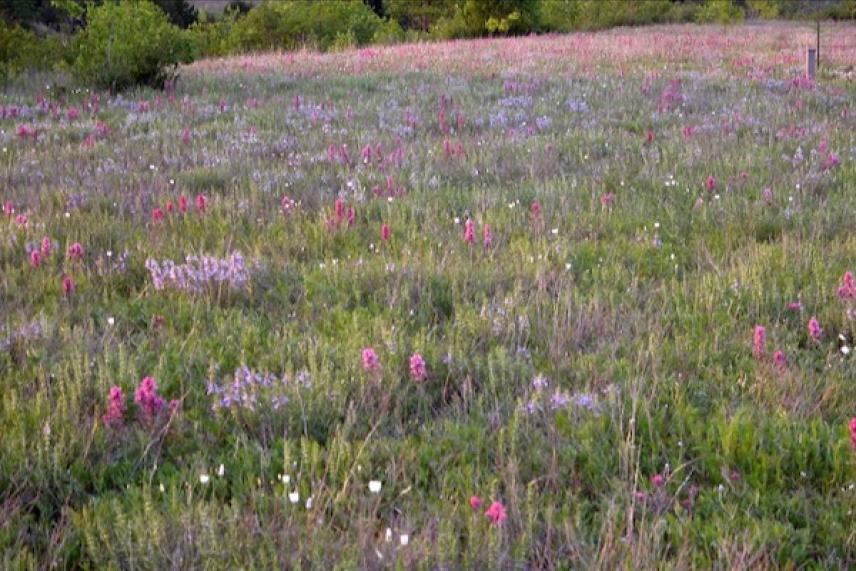
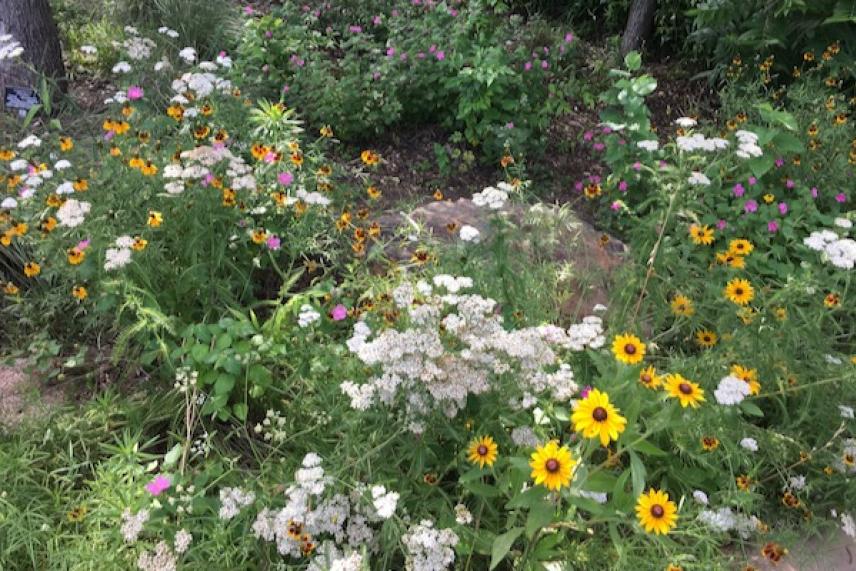
Marshall Hinsley discusses pocket prairies, small plots planted with native Texas flora, as part of a statewide restoration effort. These prairies support native wildlife, sequester carbon, mitigate flooding, and require minimal maintenance, offering a sustainable way to restore Texas's native ecosystem.

Hackberry hackers spook North Texans

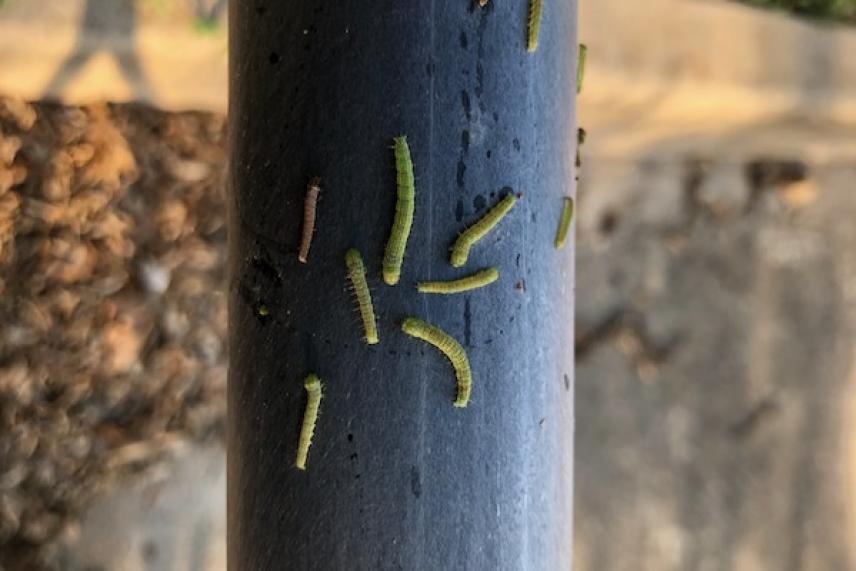
Hackberry leafrollers, or Sciota celtidella, devoured the leaves of hackberries across North Texas, creating spooky webs. Despite initial concerns, pest specialist Wizzie Brown assures residents the outbreak is non-threatening, and the trees will recover. These caterpillars provide food for migrating birds, so pesticides aren't needed.

North Texan makes top 10 list on popular naturalist app

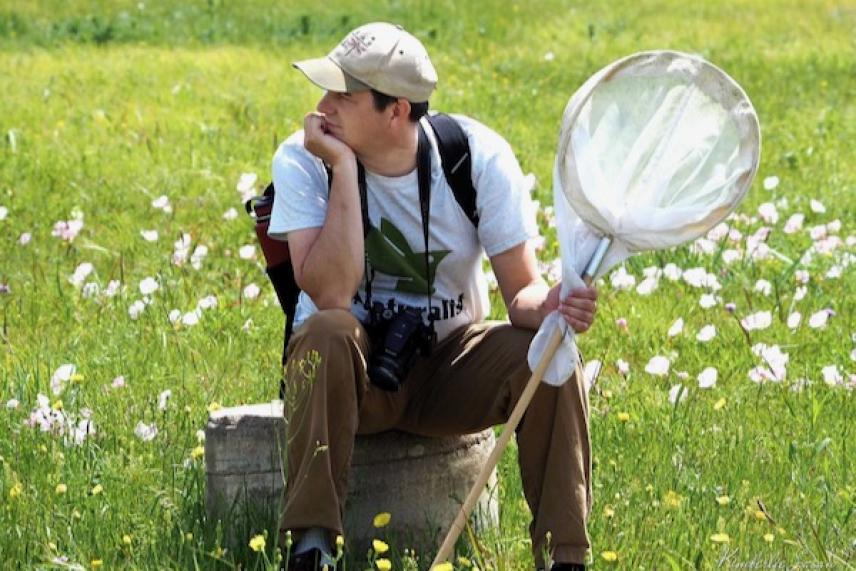
Sam Kieschnick, a Fort Worth-based urban wildlife biologist for Texas Parks and Wildlife Department, has inspired many to use iNaturalist, a popular naturalist app. He's made over 100,000 observations, placing him among the top 10 observers worldwide, out of 2.4 million users.